What a DISC Assessment Taught Me About Building My First Company
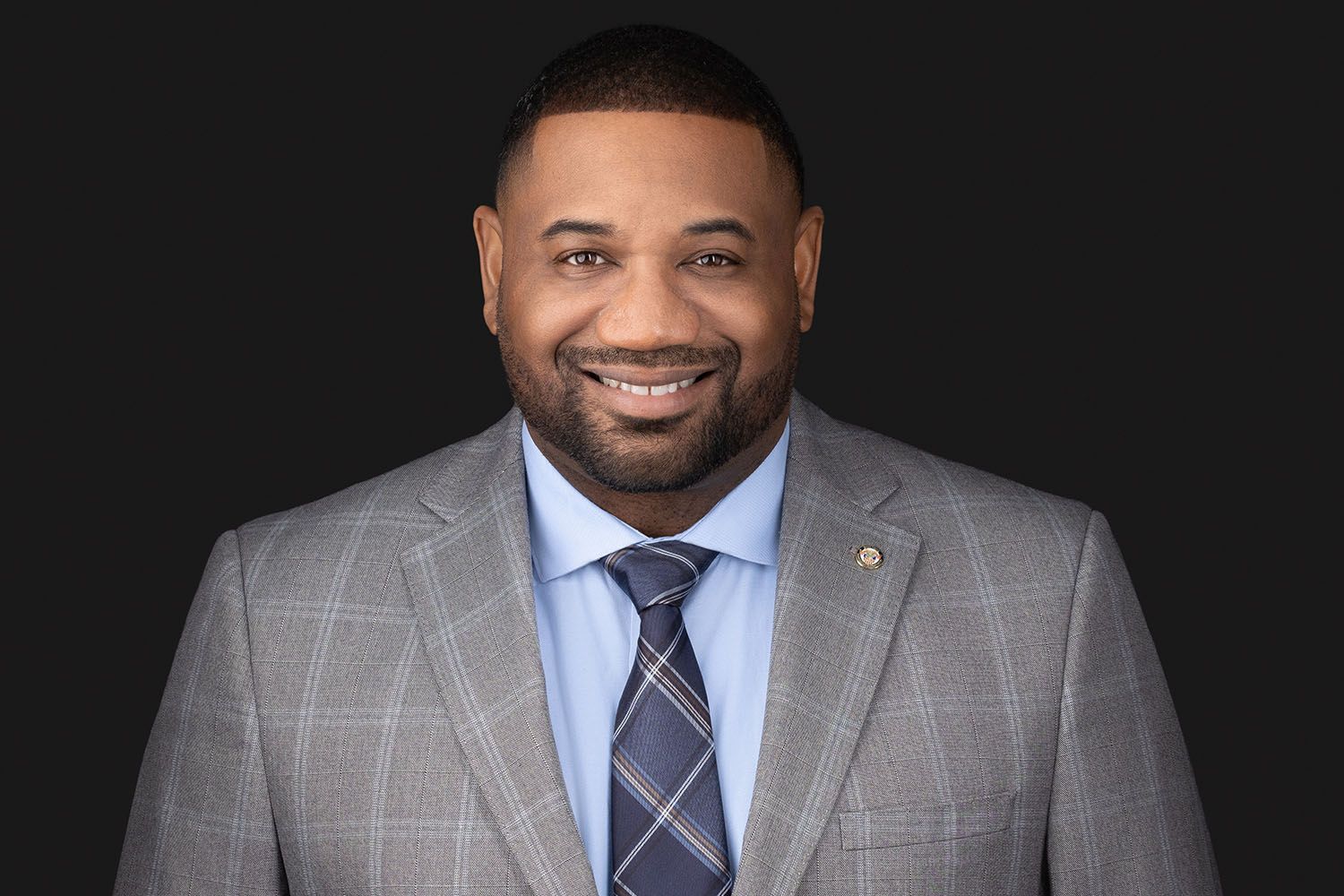
I've taken DISC assessments and leadership evaluations more times than I can count throughout my career.
At every company I worked for, they were used to improve communication, build stronger teams, identify leadership potential, or better understand how people work together. I'd review the results, discuss them with a manager or executive coach, and then move on.
This time was different.
For the first time, I wasn't looking at the results as an employee or even as an executive leading someone else's organization.
I was looking at them as the person building the organization.
That changes everything.
Every observation carried more weight because I could immediately connect it to decisions I'm making today. How will this influence the people I hire? How might it shape the culture we're trying to build? Which of my natural tendencies will help the business grow, and which ones could quietly become obstacles if I don't recognize them?
What surprised me wasn't necessarily what the assessment said. It was how differently I interpreted it.
When you're responsible for building the company—not just leading within one—you stop reading these assessments as personality reports. You start reading them as leadership blueprints.
That shift in perspective made this assessment more valuable than any I've taken before.
As I read through the report, one theme kept resurfacing.
I'm naturally wired to move.
I've never struggled to make decisions. In fact, throughout my career, people have often expected me to be the one willing to make the difficult call when everyone else wanted more time to think. That decisiveness has served me well in the Army, in enterprise technology, and in sales leadership.
But owning a business introduces a different challenge.
When you're the founder, every instinct gets amplified.
If you're impatient, your company becomes impatient.
If you're disorganized, your organization becomes disorganized.
If you're calm under pressure, your team is more likely to stay calm when things don't go according to plan.
The company eventually becomes a reflection of its leader.
That realization caused me to pause.
The assessment pointed out that under pressure, I have a tendency to speed up.
That wasn't a revelation.
Anyone who knows me could have predicted that answer.
What made me stop was asking myself a different question:
Is my pace helping the business, or is the business adapting to my pace?
Those are two very different things.
There are moments where moving quickly is exactly what a founder should do. You have to make decisions with imperfect information. You have to be willing to act while others are still debating.
But there are other moments where speed becomes expensive.
Hiring is one of them.
I've spent the last several weeks interviewing technicians, apprentices, operations leaders, and office staff for our launch. Every conversation reminds me that a bad hire isn't just a hiring mistake. It affects customers, teammates, culture, and momentum.
I'd rather leave a seat open than fill it with the wrong person.
That's not a lesson I learned from a DISC assessment.
It's a lesson the assessment reinforced.
Another observation resonated even more.
The report suggested that one of my strengths is evaluating talent.
Looking back, I realized that many of the accomplishments I'm most proud of aren't projects or sales numbers. They're the people I've had the privilege to lead. Watching someone gain confidence, earn a promotion, or discover capabilities they didn't know they had has always been more rewarding than closing another deal.
As I build this company, that perspective matters.
I'm not trying to assemble a workforce.
I'm trying to build a leadership team.
The technicians we hire today may become service managers. An apprentice could one day run an entire branch. Someone answering the phones today might eventually oversee customer experience across multiple locations.
When your vision extends beyond one business, you stop hiring for today's opening and start hiring for tomorrow's opportunities.
Then I reached the section that challenged me the most.
Control.
The assessment suggested that one of my greatest risks isn't making difficult decisions.
It's becoming the bottleneck.
That one stayed with me.
The irony is that many founders become bottlenecks because they genuinely care. They want customers to have a great experience. They want quality work. They want consistency. So they review everything, approve everything, and solve every problem themselves.
Eventually, the business can no longer move without them.
That's not leadership.
That's dependency.
My vision for DDS Legacy Group has never been to build one successful HVAC company.
This first One Hour Heating & Air Conditioning location is the foundation. The long-term goal is to acquire and build multiple businesses, develop exceptional leaders, and create an organization that continues to grow because of its systems—not because of one person.
That means I have to evolve.
The leader who launches this business won't be the same leader who oversees five companies.
And that leader won't be the same one who someday manages an entire portfolio.
Every stage requires different skills.
Less control.
More trust.
Less reacting.
More designing.
Less being the person with all the answers.
More building teams that can solve problems without waiting for permission.
That's the lesson I took away from this assessment.
It wasn't about confirming my strengths.
It was about identifying the habits that could eventually limit my growth if I never outgrow them.
Building a company isn't just about developing processes, recruiting great people, or delivering exceptional service.
It's also about developing the person responsible for leading it.
As we move closer to opening our doors, I'm convinced of one thing.
The business will never outgrow its leader.
If I want DDS Legacy Group to become the kind of holding company I envision, then my first responsibility isn't simply building the business.
It's continuing to build myself.


Comments